


Repatriating Bexley, Greenwich & Lewisham (BGL) pathology services to the Blackfriars Hub
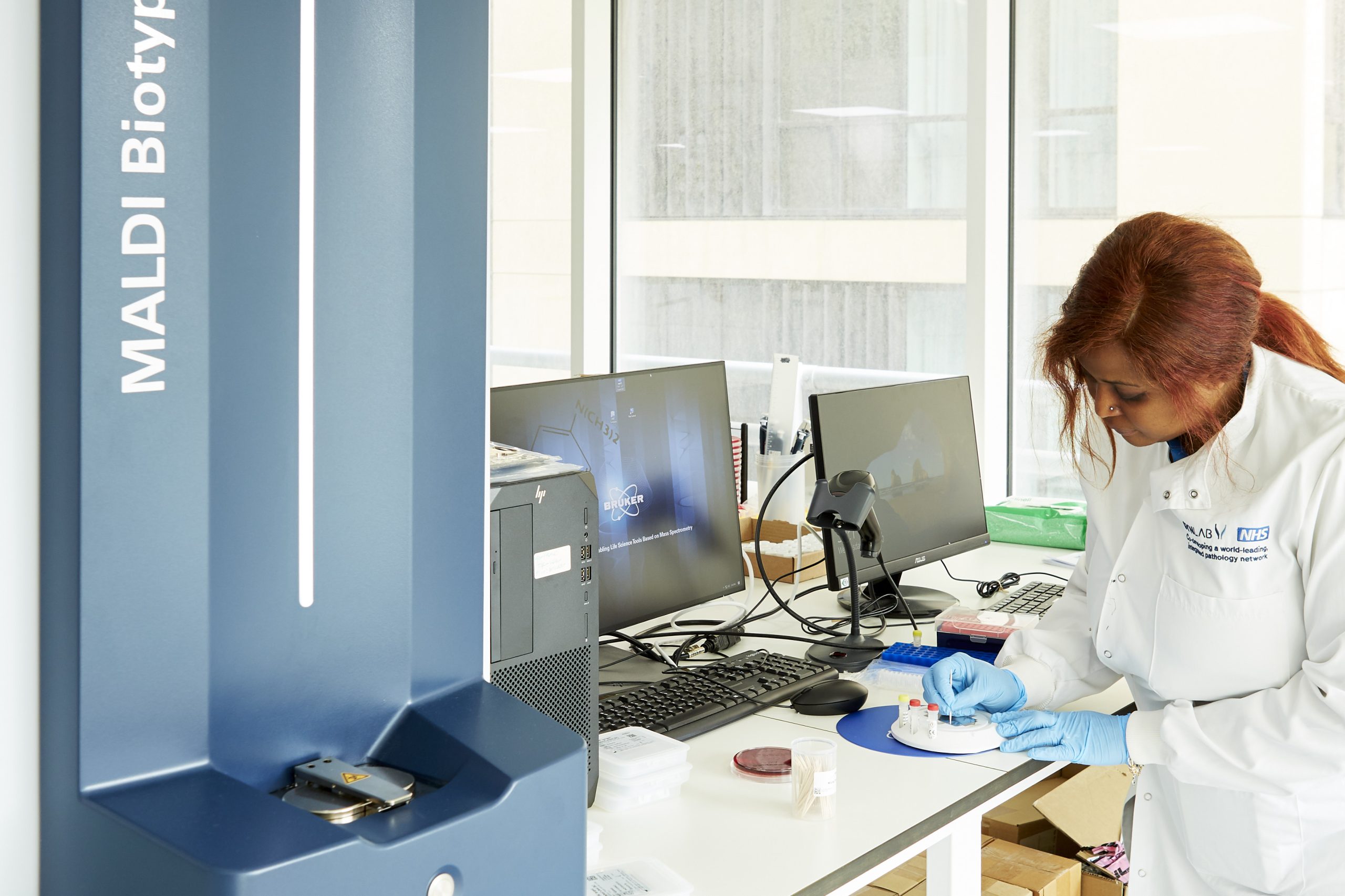
We have now repatriated the final tests for Bexley, Lewisham & Greenwich from Pathology First, into our Synnovis Blackfriars Hub Laboratory.
Please see below for key updates, service information and supporting resources.
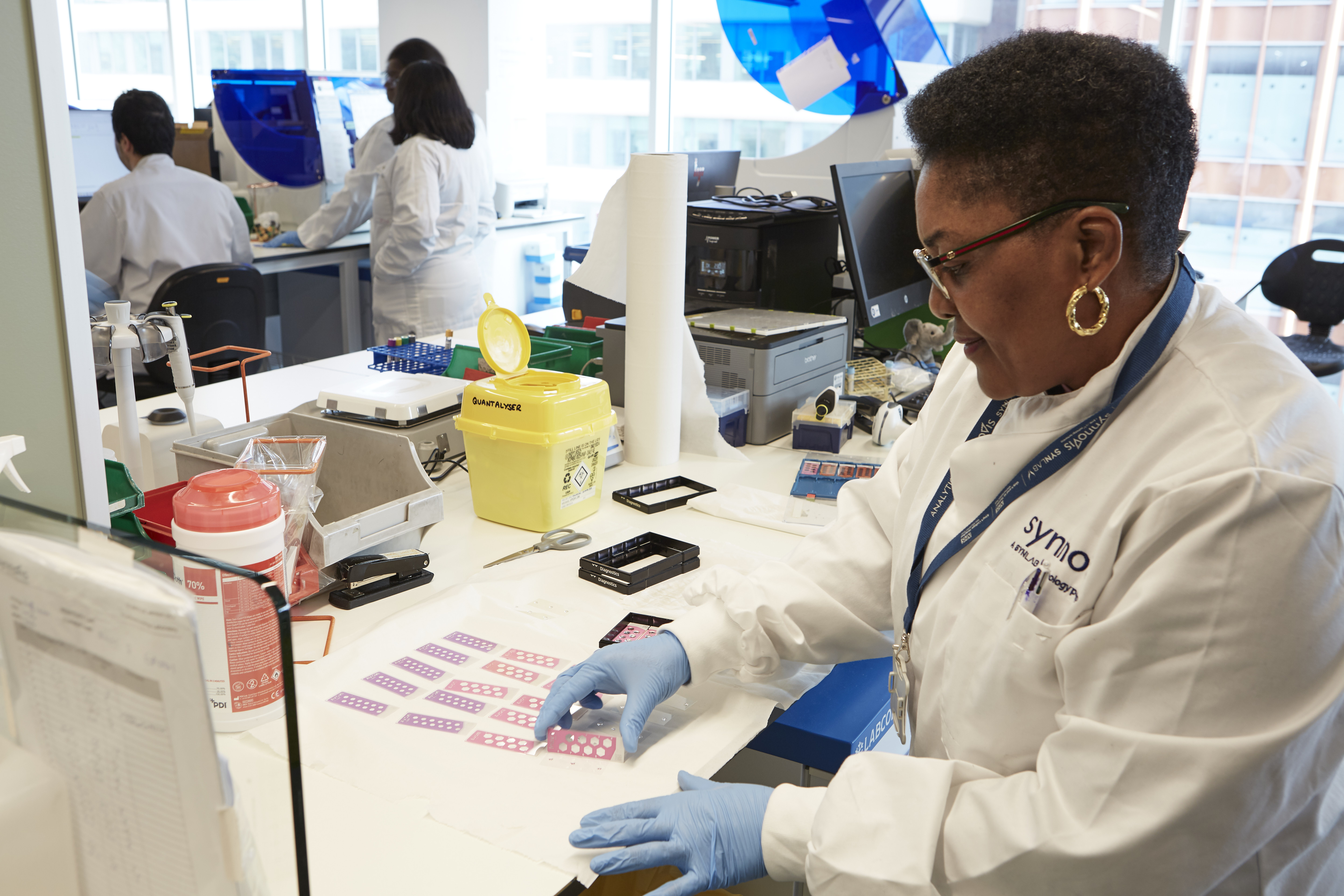
As a result of the move, you’ll notice several changes including:
- Changes to the catalogue you use to order tests, as well as changes to plate sets, antibiotic panels and culture comments.
- Urine samples sent for culture now have automated urinalysis on the Sysmex analyser. Urine samples with white cell and bacteria count above the diagnostic threshold will be cultured, similar to the service at Pathology First. All urine culture and microscopy reports are now released to primary care at the same time, in line with existing Synnovis procedures.
- You now have access to the new harmonised test catalogue. The new catalogue ensures all boroughs have access to the same tests and because they’re performed on the same laboratory instrumentation, reference ranges will be consistent for everyone.
- You now have access to streamlined clinical advice, with the introduction of direct phone and email access to microbiology doctors within Guy’s and St Thomas’ NHS Foundation Trust and King’s College Hospital NHS Foundation Trust.
- There have been changes to liquid swabs and urine tubes.
As a result of the move, there are several clinical changes to reporting, panels, and comments, as detailed below:
- Urine samples sent for culture now have automated urinalysis on the Sysmex analyser. Urine samples with white cell and bacteria count above the diagnostic threshold will be cultured, similar to the service at Pathology First. All urine culture and microscopy reports are now released to primary care at the same time, in line with existing Synnovis procedures.
- For faeces investigations, there has been a move to EntericBio molecular testing using the GP2 panel:
- Gastro Panel 2: Detects Salmonella enterica spp., Shigella spp./Enteroinvasive E. coli (EIEC), Campylobacter jejuni/coli/lari, Cryptosporidium parvum/hominis, Giardia lamblia and VTEC (stx1/stx2 genes, indicating Shiga toxin-producing E. coli)
- Ova, cysts and parasites (OCP): All test requests for OCP now automatically receive the GP2 PCR panel above as it is more sensitive than microscopy for the detection of parasites such as Cryptosporidium and Giardia. Microscopy will only be performed if there is a specific test request and relevant travel history, eosinophilia or persistent diarrhoea recorded in clinical details.
- Wound swabs and sputum testing has remained largely the same.
- C. difficile: C. difficile testing methods are now standardised for all service users. We will perform an initial screening test for toxin B gene on the Serosep Entericbio. All positive results now have a confirmatory toxin A/B lateral flow enzyme immunoassay
- Dermatophyte testing on nail samples now has access to the Dermagenius PCR for more rapid and sensitive results. Skin and hair samples continue to get microscopy and culture results.
You can also find additional detail in the summary of changes (opens in new tab) and dataset (Selecting this file will download to your device)
As part of the planned repatriation of pathology services, the lab at Blackfriars Hub will initially be reported as outside our UKAS-accredited scope. This is a routine temporary position when testing moves to a new site, and the accreditation extension process is under way and will be in place this year.
Upcoming change to urine culture collection tubes
From 9 November 2026, urine samples submitted for culture should only be collected using the Sarstedt Monovette urine collection tube with boric acid.
From this date, red-topped boric acid containers and plain white universal containers will no longer be accepted or processed for urine culture.
The guidance below remains applicable until 8 November 2026.
Further information:
- For Southwark, Lambeth and Bromley service users: read the full update
- For Bexley, Greenwich and Lewisham service users: read the full update
Culture Samples
You should now use either the BD Vacutainer urine tube system or the Sarstedt Monovette urine collection tube with boric acid for urine samples being sent for culture.
If a red-topped boric acid universal is received after this date, our laboratories will continue to test the sample, so practices can use up small amounts of existing stock.
BD Vacutainer system
The BD Vacutainer system comprises a urine collection cup with an integrated transfer device and a boric acid preservative tube, which works in a similar way to the vacuumised blood bottles you will already be familiar with. A patient leaflet is available here.
Sarstedt Monovette urine collection tube with boric acid
The Sarstedt Monovette urine collection tube with boric acid also requires a collection cup. We recommend using a sterile plain white universal container, which will continue to be available to order.
Instructions on using the Sarstedt system are available here. You can also find supporting training videos here.
|
For us to process the samples accordingly, we have switched from gel to liquid swabs for bacteriology culture tests (virology tests should continue to be sent to us using the existing viral transport medium swabs). What swabs should I be using?
You can find training videos here. |
As part of the repatriation of microbiology and mycology testing for Bexley, Greenwich and Lewisham to the Synnovis Blackfriars Hub Laboratory, clinical escalation routes have changed. Practices now have direct phone and email access to microbiology doctors at either King’s College Hospital NHS Foundation Trust or Guy’s and St Thomas’ NHS Foundation Trust, depending on their practice.
Select your borough below and find your practice to confirm the correct clinical escalation contact details.
If you’ve not been able to attend the BGL repatriation webinars, you can find a recording of the session here. In addition, we’ve also pulled together a summary of the frequently asked questions.
Latest Repatriation News
All previously issued communictions to Bexley, Greenwich and Lewisham regarding the repatrioation can be found here.
