

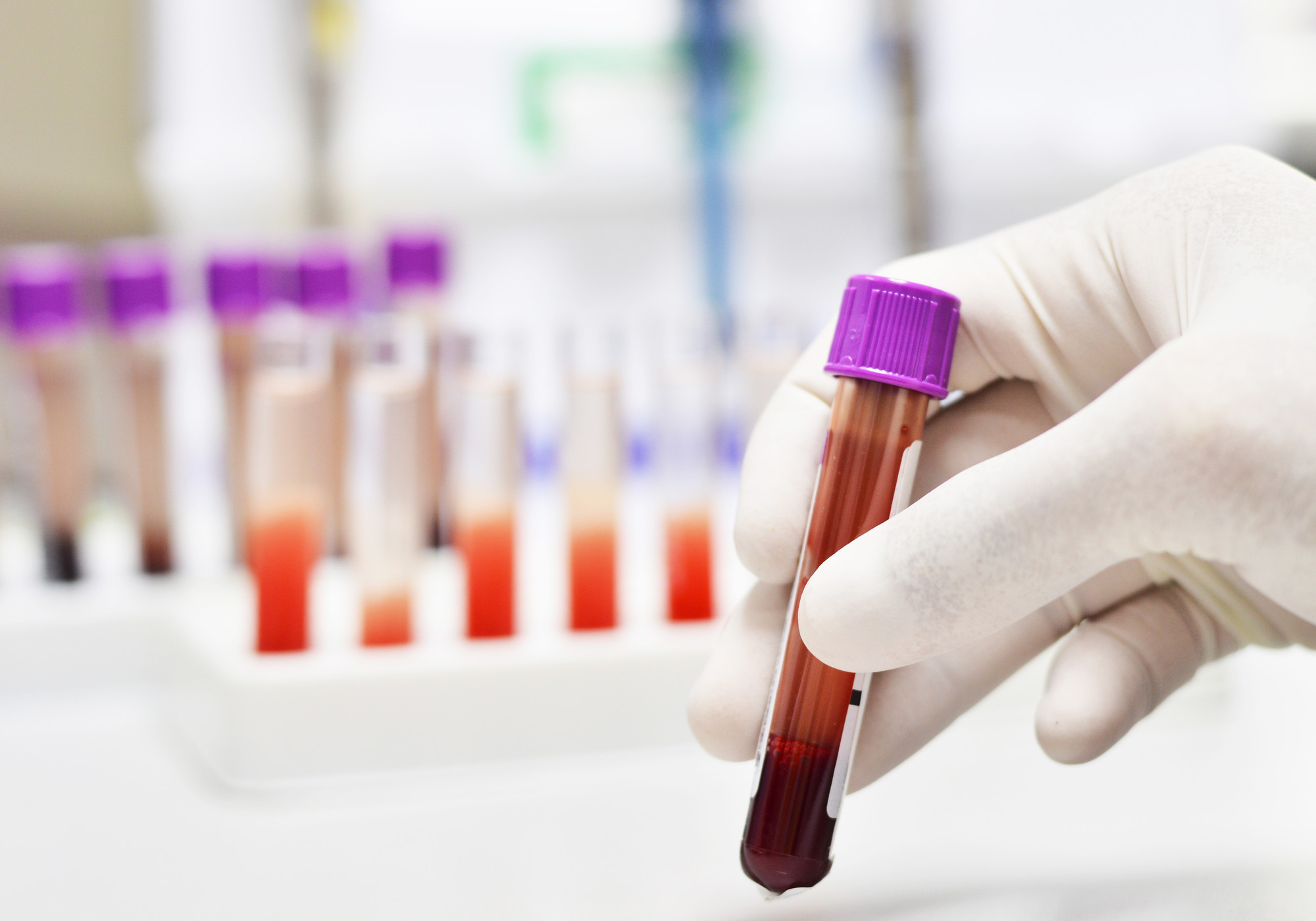
Precision oncology insights from a simple blood sample
Synnovis offers advanced circulating tumour DNA (ctDNA) testing, also known as a liquid biopsy, supporting genomic profiling from a simple blood sample.
Less invasive
Supports treatment decisions
Broader access to precision medicine
Useful when tissue testing is challenging
Understanding ctDNA testing
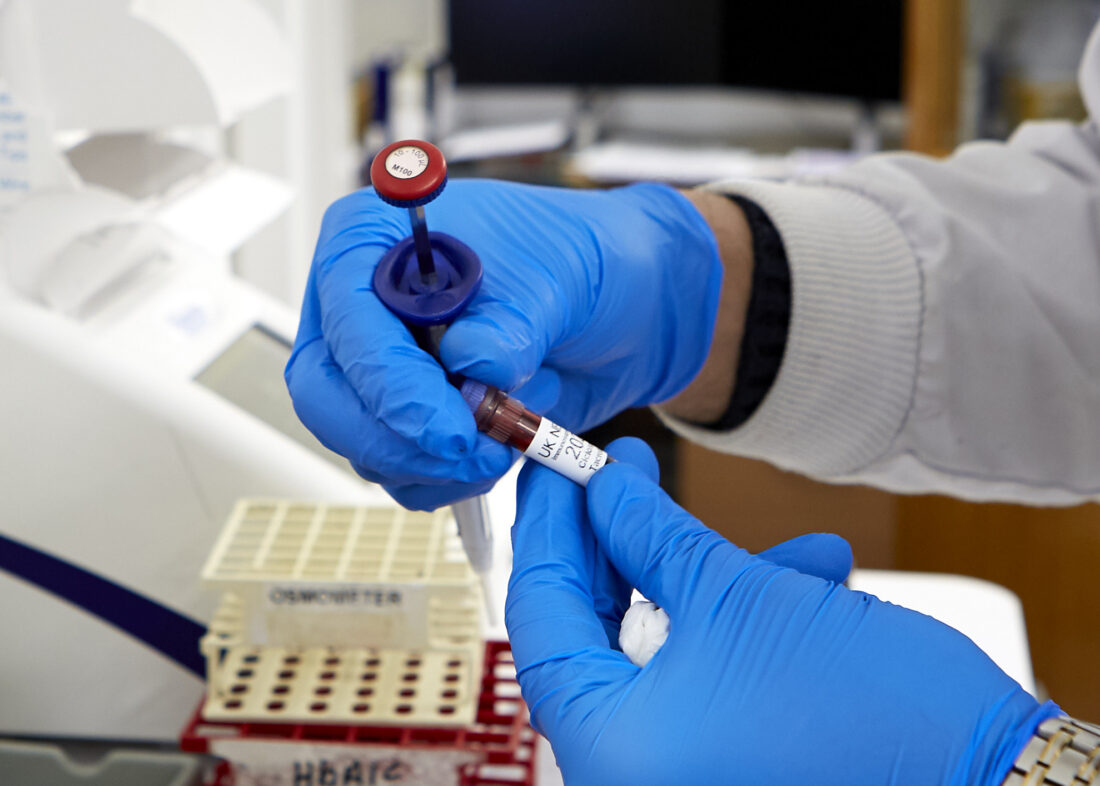
Circulating tumour DNA (ctDNA) testing analyses tumour-derived DNA released into the bloodstream by cancer cells.
By identifying clinically relevant genomic alterations, this revolutionary blood test can help identify molecular targets, support treatment selection, inform eligibility for targeted therapies and clinical trials, and contribute to personalised cancer care where clinically appropriate.
Unlike traditional tissue biopsy, ctDNA testing can be performed from a simple blood sample, offering a less invasive approach to genomic profiling while still providing clinically meaningful information.
This is a tumour profiling service and is not a screening, diagnostic exclusion or MRD service.
Why choose Synnovis for ctDNA testing?
One of the nationally designated laboratories delivering ctDNA testing for the NHS in England
Tests are carried out in a UKAS accredited laboratory
Access to specialised ctDNA sample collection kits
We can provide an optional consultant-led in-depth review of the ctDNA test report
Patient eligibility for ctDNA testing
ctDNA testing is curently available for patients with:
Suspected Stage III/IV non-small cell lung cancers
Advanced breast cancer where genomic results may inform an eligible treatment decision
Cancer of unknown primary
Suitability for testing should be determined by the referring clinician based on the individual clinical context. Other tumour types and clinical scenarios may be considered where molecular profiling could inform treatment decisions, clinical trial eligibility or broader precision oncology assessment, subject to clinical review.
Please speak with our Business Development Team for further information.

Expert consultant-led reviews
Private and third-party clinicians can request an optional consultant-led review of ctDNA findings.
This service provides specialist genomic review and interpretation support, similar in purpose to the support available through NHS genomic advisory pathways.
Frequently Asked Questions
Synnovis uses the MSK-ACCESS® panel powered with SOPHiA DDM™. This NGS panel has been fully validated and can detect small nucleotide variants in 147 genes, including the TERT promoter region and MET exon 14 skipping, copy number variants in 71 genes and 10 gene fusions detected by DNA-based testing. More specific information can be found here.
The expected turnaround time is 10–14 calendar days from receipt of the sample in the testing laboratory.
Results are issued via secure email as a PDF report.
We have explained every section of the ctDNA report for you, see our guidance document here.
Yes, we can provide access to a Clinical Genomics Specialist Review (CGSR). A consultant-led review of the ctDNA test report, which provides advice and recommendations. This carries an additional cost. Please speak to our Business Development Team to find out more.
Please speak with our Business Development Team who will be more than happy to talk through your requirements. Contact us at hello@synlab.co.uk.
Clinical note: a negative ctDNA result does not exclude the presence of an actionable genomic alteration. Tumours may release little or no detectable ctDNA, and some alteration types may be more reliably detected in tumour tissue. Where clinically appropriate, tissue testing or another complementary investigation should still be considered
