


Innovation is at the core of what we do at SYNLAB.
We work with partners in industry and academia on translational research to achieve scientific breakthroughs and turn them into tangible benefits for clinicians, patients, and organisations.
Rapid Pathogen Metagenomics
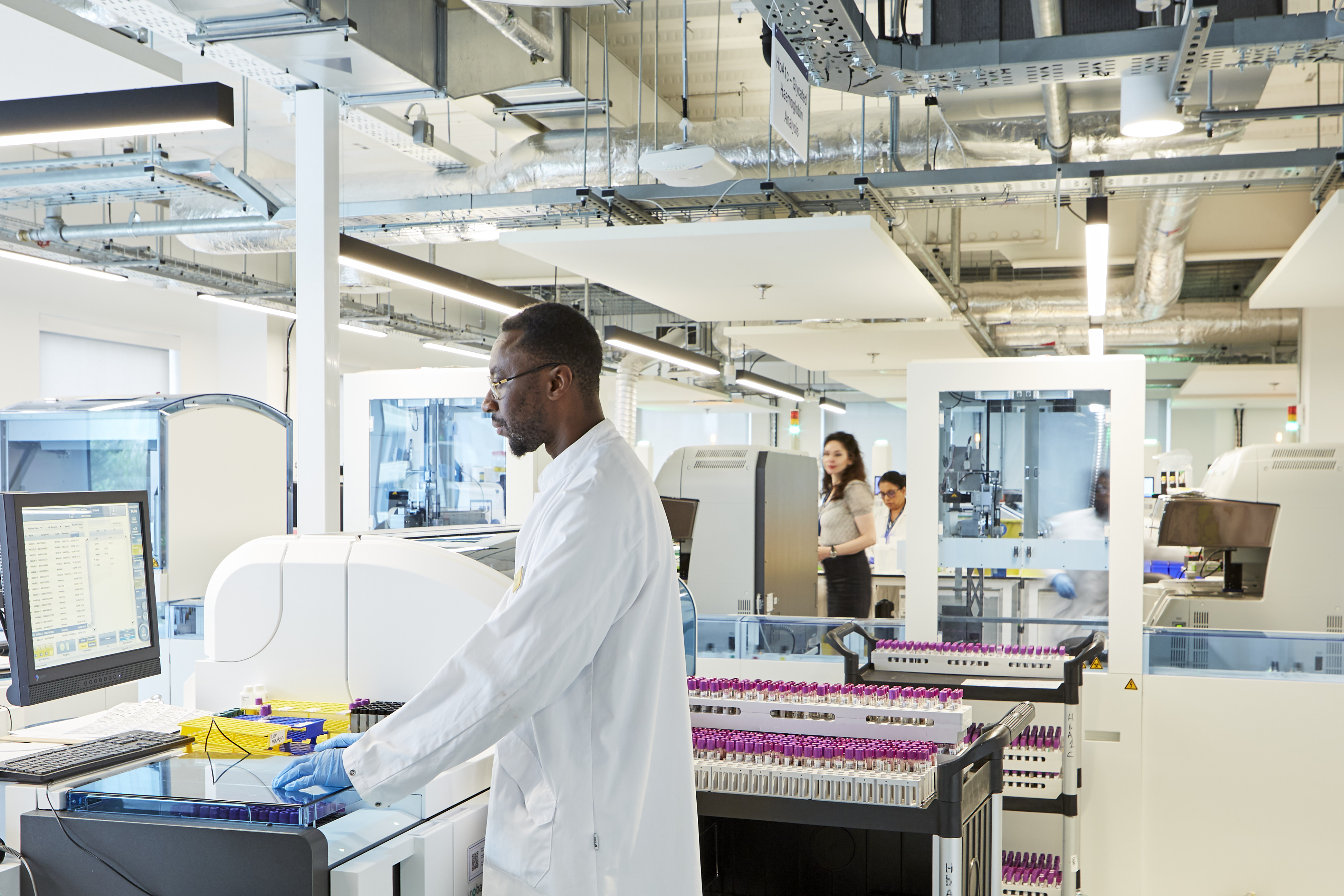
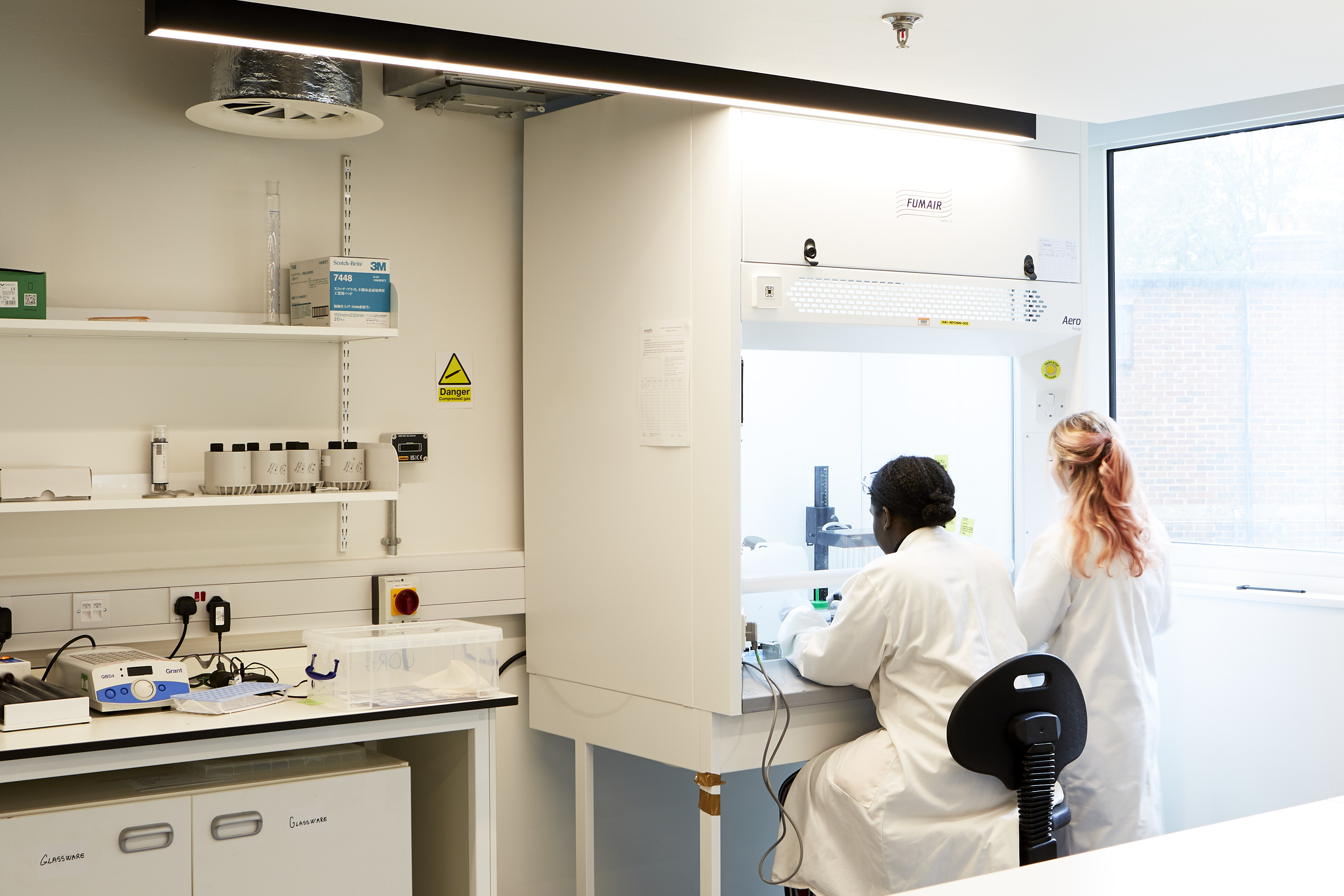
Our Rapid Pathogen Metagenomics project is transforming infectious disease diagnostics by enabling fast, unbiased detection of bacteria, viruses, fungi and atypical pathogens directly from clinical samples. Using long-read sequencing combined with innovative host DNA depletion, the service delivers clinically actionable results within hours rather than days.
Initially focused on severe respiratory infections and sterile site samples, the approach improves diagnostic yield in culture-negative cases and supports earlier, targeted treatment decisions. Developed in close collaboration with NHS partners, the project underpins a scalable, accredited diagnostic service aligned with national pathogen genomics strategy, with applications spanning healthcare, public health, global health and biosecurity.
Antimicrobial Resistance
Antimicrobial resistance (AMR) presents a major threat to human health. If current trends continue it’s predicted to cause 10 million deaths per year by 2050. In the UK alone 35,200 deaths are attributed to AMR each year.
Our work improving the identification of infections is focused on speed and accuracy, helping clinicians choose the right treatment sooner and reduce the use of unnecessary antibiotics. Our teams are involved in multiple projects relating to AMR which support better care for the patients of today, and ensure existing antibiotics remain effective for the patients of tomorrow.
Using modern DNA-based technologies we can detect many different types of bacteria at once and spot signs of drug resistance early.
Autonomous robotics
Cutting edge diagnostics require cutting edge technologies, so we’re working with partners and our teams to utilise autonomous robots throughout our services.
Since 2021 we’ve been partnering with British startup, Apian, to use on-demand logistics drones for the safe transportation of clinical samples across sites in our south east London network. Following rigorous validation performed by our laboratory teams the project has reduced delivery times for urgent samples, helping to overcome congestion and disruption challenges which can impact traditional ground couriers, and allowed clinicians to make well informed decisions faster. By combining innovative logistics and clinical expertise, we’re providing a more timely and resilient service that is strengthening patient care.
We’re also exploring how autonomous robots can help our teams with routine tasks, so our experts can do more of what they do best – healthcare science.

Cancer care
We’re developing ways to detect cancer more quickly, and to provide more accurate, detailed information to inform cancer care.
Our circulating tumour DNA (ctDNA) work uses only a blood sample, reducing the need for invasive procedures, like biopsies, and allowing clinicians to monitor how cancer is responding to treatment without the need for traditional tests which can be distressing for patients. The information ctDNA testing can provide helps our service users tailor treatments for efficiency and efficacy.
Delivered in partnership with NHS teams, this work contributes to safer care, improved outcomes for patients with cancer, and more resilient services for the future.
Hidden hunger
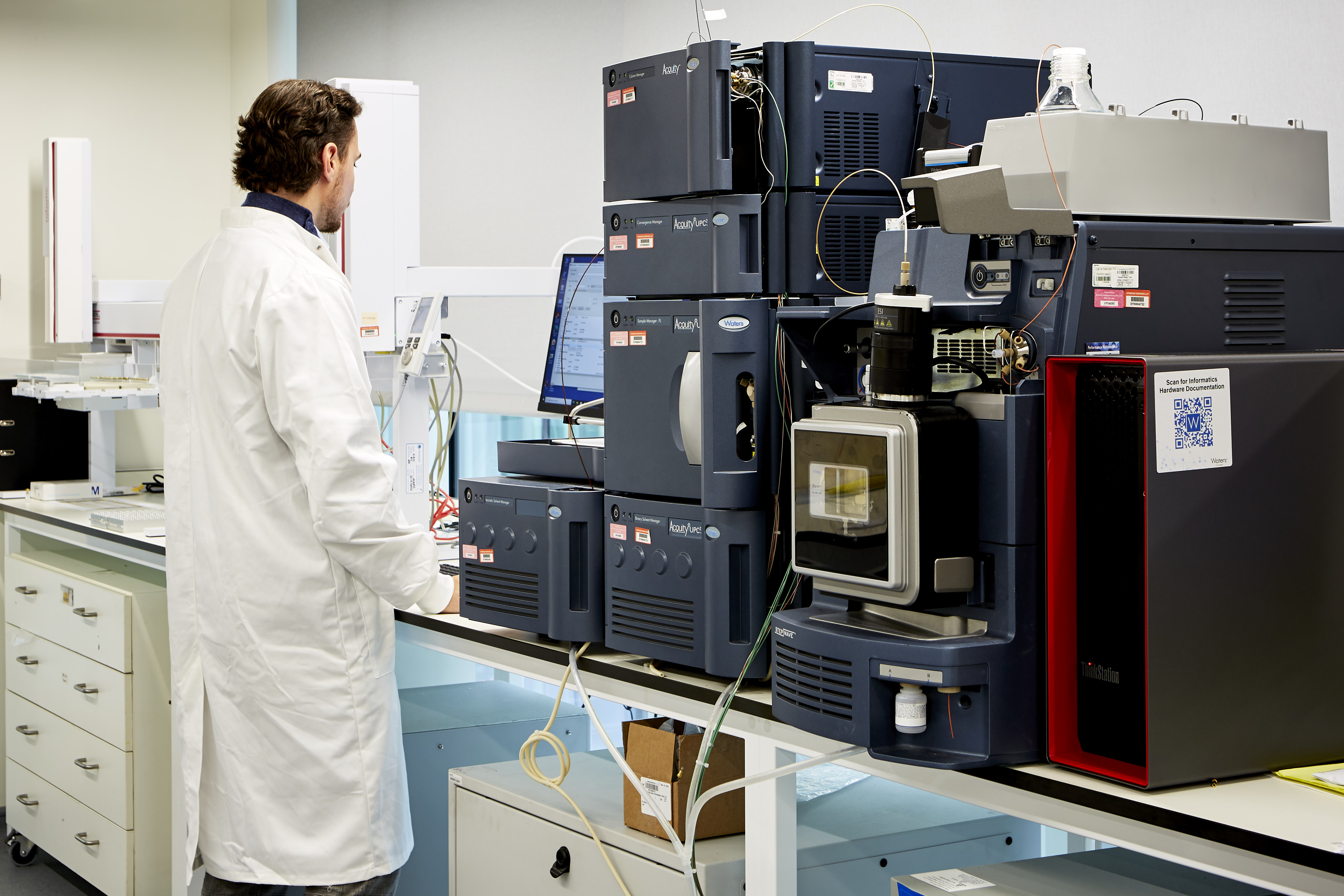
Hidden hunger is a form of malnutrition caused by a lack of essential vitamins and minerals, even when food is available. Through our Nutristasis laboratory, the largest of its kind globally, our team is improving the detection and understanding of micronutrient deficiencies and their impact on health, particularly in vulnerable populations.
By combining laboratory testing, data analysis and partnership working, we support earlier identification of nutritional gaps and more targeted interventions. Our work helps inform public health strategies, supports preventative care, and contributes to improving long‑term health outcomes by tackling nutrition issues that are often overlooked but have wide‑ranging effects.
Addressing health inequalities
We’re passionate making sure that everyone can access the healthcare they need, when they need it. Working with academic and industry partners we’re using Artificial Intelligence (AI), predictive modelling and anonymised data, to understand how testing patterns and results vary by factors such as ethnicity, deprivation and geography. Our goal is to reduce unnecessary testing while improving detection where need is greatest.
We’re working with our partners to determine local needs, ensuring that advances in healthcare benefit all populations, not just those who are easiest to reach.
