


Welcome
Welcome to the Secondary Care resources hub.
For reference ranges and clinical information that affects you, you can navigate to the service user resources page below.
Changes to boric acid urine collection tubes
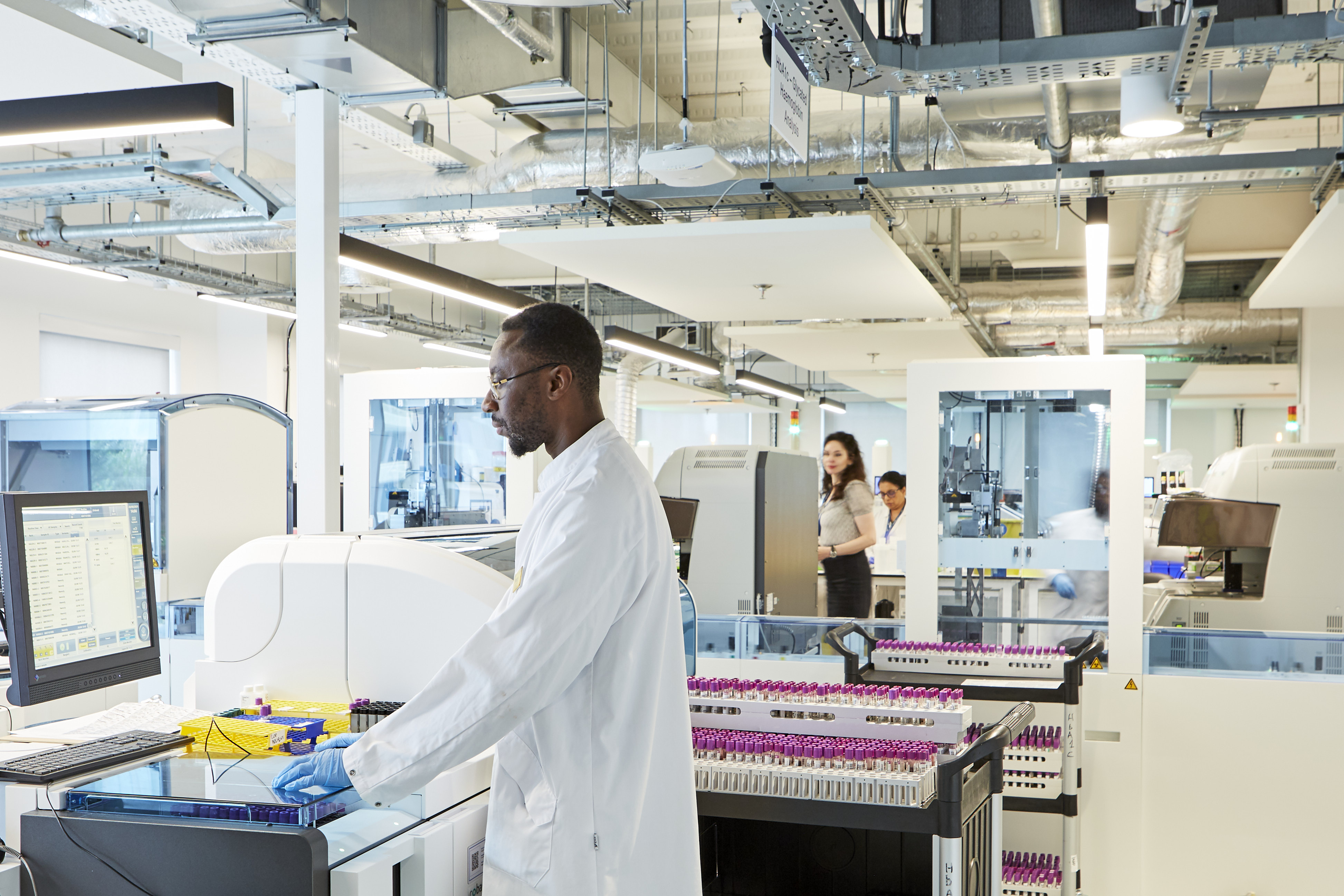
We have transitioned to the Sarstedt Monovette collection system for urine microscopy and culture to improve sample quality and support reliable results.
From Monday 23 November 2026, all urine samples submitted for culture must be collected using the approved Sarstedt Monovette urine collection tube containing boric acid.
From this date, red-topped boric acid universal containers and plain white universal containers will no longer be accepted or processed for urine culture.
The change is being made to improve the quality, safety and efficiency of the urine testing pathway for patients.
Boric acid prevents bacterial overgrowth during transportation, helping to reduce false-positive and clinically insignificant culture results.
Using the approved collection system also reduces manual handling, minimises transcription errors, helps avoid unnecessary repeat samples and supports faster, more reliable reporting.
Urine samples collected in boric acid tubes are significantly more stable than those collected in plain white universal containers.
Without a preservative, bacteria can multiply during transportation and storage, potentially producing inaccurate or clinically insignificant results.
Boric acid helps maintain sample integrity and reduces the likelihood of samples needing to be rejected or recollected, particularly during unexpected service disruptions.
The Sarstedt Monovette system uses a separate collection container, from which urine is transferred into a tube containing boric acid.
We recommend using a sterile plain white universal container to collect the initial urine sample before transferring it into the Sarstedt Monovette tube.
The sample submitted to the laboratory for culture must be in the approved boric acid tube, not the original collection container.
Yes. Using the approved tubes reduces the need for manual intervention in the laboratory.
When urine culture samples arrive in plain white universal containers, laboratory staff must manually transfer them into suitable analyser tubes and relabel them. This process can add several hours to processing times, delaying microscopy results and the start of culture incubation.
Approved tubes can be loaded directly onto the analyser for microscopy screening, with results potentially available for laboratory review within approximately 15 minutes.
Where microscopy findings do not meet the threshold for further culture, a negative report may be issued on the same day or by the following morning.
Samples requiring further culture can proceed without the additional delay caused by manual decanting.
The change is intended to improve the overall patient experience by supporting faster and more reliable results.
Reducing unnecessary handling and avoiding bacterial overgrowth helps minimise the need for repeat samples.
Faster reporting also allows requesting clinicians to make treatment decisions sooner, where appropriate.
From 23 November 2026, urine culture samples received in red-topped boric acid universal containers or plain white universal containers will no longer be accepted or processed.
A replacement sample collected using the approved Sarstedt Monovette system will be required.
To avoid delays in diagnosis and treatment, please ensure the correct collection system is used before submitting samples.
Yes. Plain white universal containers should continue to be used for other urine tests, including Albumin Creatinine Ratio (ACR).
Boric acid tubes must not be used for chemistry or immunology tests, as the preservative can make samples unsuitable for analysis.
Please ensure the correct container is selected for the test being requested.
We recognise that using a separate collection container and transfer tube may appear to introduce additional single-use plastic.
However, urine samples received in universal containers were already being transferred into smaller analyser tubes within the laboratory. A second consumable has therefore always formed part of the urine culture process, although this was not previously visible to service users.
The new system moves this transfer process to the point of collection, reducing the need for manual handling in the laboratory.
We remain committed to reducing our carbon footprint wherever possible while meeting infection prevention and control requirements.
Yes. Similar collection systems are already used by several pathology providers across London.
Southwest London pathology services, including St George’s, and East and Southeast London services, including Barts and the Royal London, use vacutainer-style tubes with associated collection containers.
Northwest London services, including Charing Cross and St Mary’s, use a pouring container and screw-top tube system.
These approaches similarly support sample preservation and efficient laboratory processing.
For questions about the change, please contact Synnovis Customer Services.
Telephone: 020 4513 7300
Service user resources
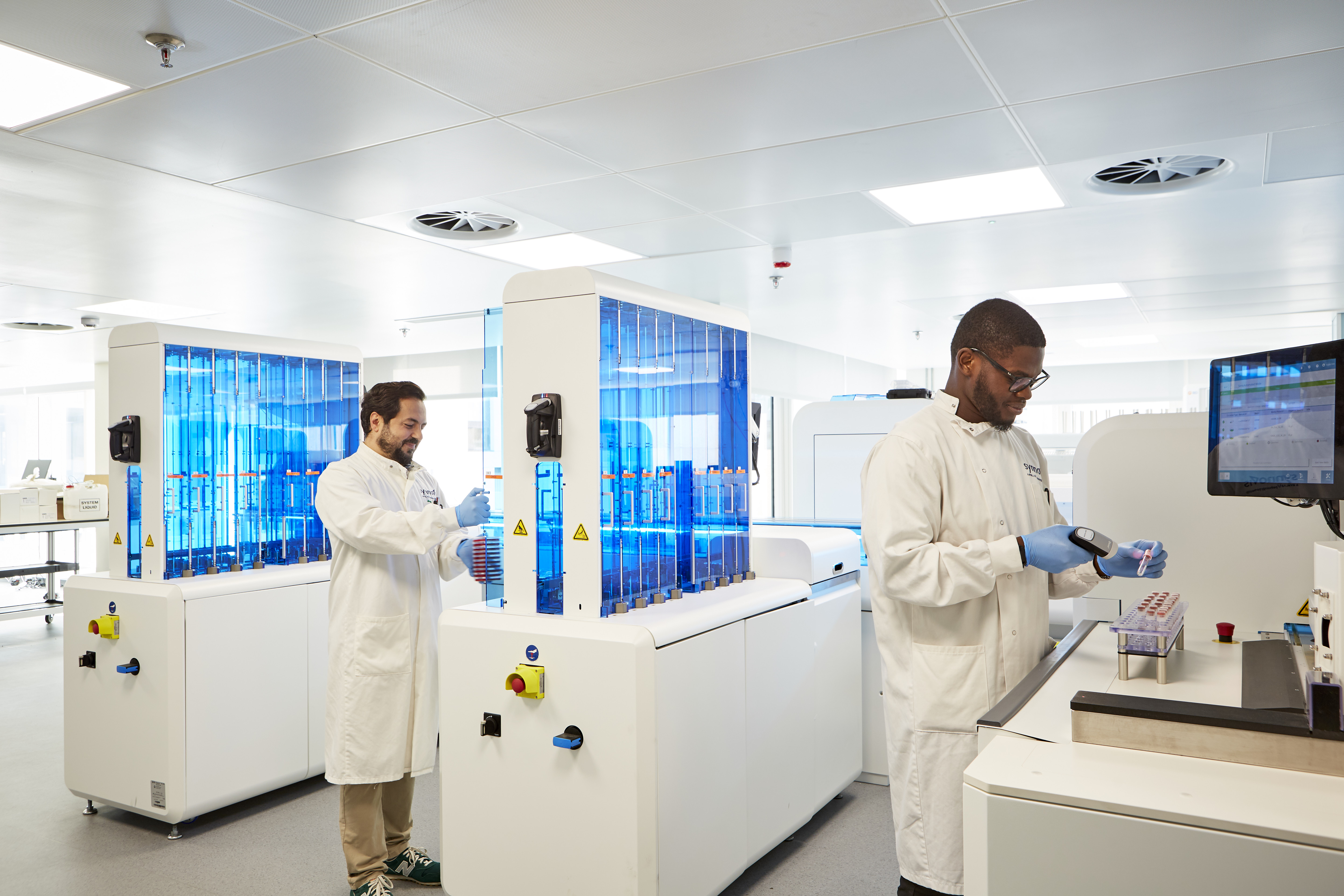
Our service user resources page contains key information around Hub testing arrangements (including critical phoning limits), reference ranges and key contacts.
To visit the page, please click here.
