

Synnovis
Synnovis milestone: 2,000 revolutionary blood tests for NHS lung and breast cancer patients
NHS England became the world’s first health service to roll out circulating tumour DNA (ctDNA) testing for suspected lung cancer in 2025
Synnovis* have supported this initiative from its pilot phase and now provide ctDNA testing for over a third of eligible NHS patients in England including those from South London, Kent, Sussex, Surrey, West Midlands, Oxfordshire, Thames Valley and Wessex.
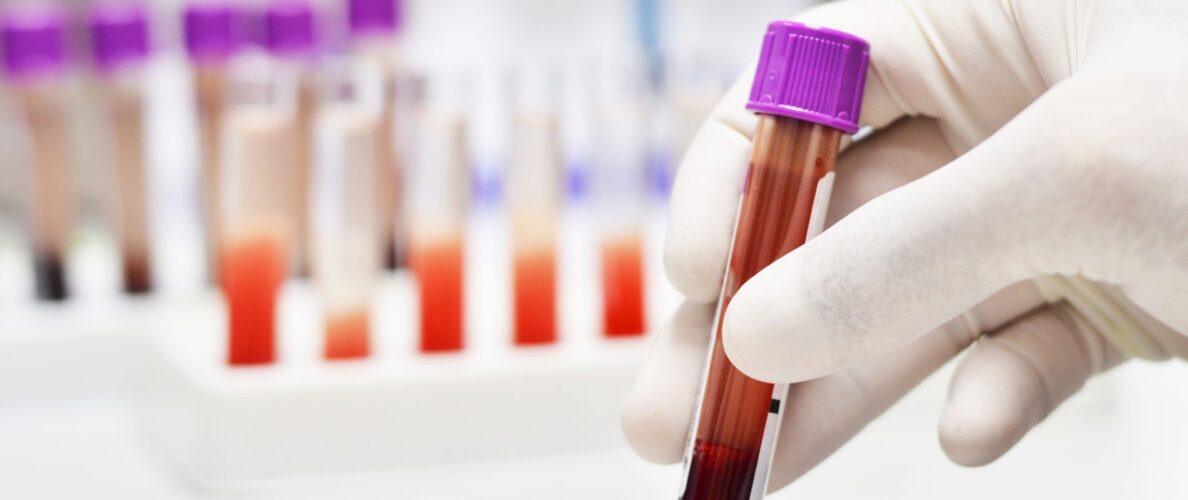
ctDNA testing, also referred to as ‘liquid biopsy’, is a revolutionary process that detects cancer related changes to a person’s DNA via a simple blood test. For the past year, it has been available to NHS lung and breast cancer patients, enabling them to access treatment targeted to the genetic profile of their tumour.
Last month, NHS England added Cancer of Unknown Primary (CUP) to its ctDNA test repertoire, meaning that patients with a metastatic cancer whose primary cancer cannot be identified can now also access faster and personalised treatment.
Professor Dominic Harrington, Chief Scientific Officer, SYNLAB UK & Ireland said: “75% of the ctDNA tests Synnovis have processed to date have been Lung referrals and the remainder Breast referrals. We are proud to be at the forefront of the changes that ctDNA has ignited in cancer diagnosis and treatment. Not only does it allow patients to begin treatment up to two weeks sooner, the treatment itself is tailored to each individual. In some cases, this means patients can avoid further tests or treatments such as chemotherapy entirely.”
The impact is also significant in terms of health economics. A report commissioned by NHS England found that the introduction of ctDNA testing for lung cancer patients alone would benefit 20,000 patients and deliver net savings of £11m for the NHS over one year.
Charlie, from Surrey, was a patient in the pilot programme who experienced the benefits of ctDNA testing first hand. When Charlie’s lung biopsy failed, Synnovis scientists turned to her blood test rather than having to return for further investigative surgery. ctDNA testing determined not only that Charlie had stage 4 lung cancer, but that it was “EGFR positive”. This means a mutation in the Epidermal Growth Factor Receptor (EGFR) gene was identified as the cause of the abnormal cell growth and division. Already a cancer survivor, this diagnosis meant Charlie could immediately start the most effective treatment for her tumour.
Charlie said: “I was expecting to have to start chemo, but this news meant I could start a drug straight away which could target my cancer and avoid chemo. This was a game changer for my mental health.”
Nicola Foot, Head of Service – Cancer Genetics, Synnovis said: “ctDNA testing allows us to deliver results up to two weeks quicker to patients and offers access for those who can’t have invasive procedures or travel to specialist hospitals. Waiting for a diagnosis of cancer, or to learn about treatment options, can be an incredibly stressful time for patients, and liquid biopsy allows us to provide answers when they’re needed most. I’m proud of the work the team have done so far and looking forward to being part of further innovation in the service.”
Dr Nirupa Murugaesu, Cancer Genomics Clinical Director, South East Genomic Medicine Service said: “As ctDNA testing expands across the NHS, increasing numbers of patients will benefit from timely genomic testing to help inform treatment decisions. Expanding access is an important step towards embedding precision oncology into routine cancer care.”
NHS England anticipates up to 15,000 suspected lung cancer patients and 5,000 breast cancer patients will benefit from ctDNA testing annually.